

-
-
PROCESSESOur products range from induction melting furnaces ranging from 50kg to 15,000KG capacity, and our induction power suppliers range from 80KW to 12,000KW to meet all melting needs.
-
ADVANTAGEHTGP provides a systematic solution for scrap aluminum melting and casting.
-
EVENTS & NEWS
Aluminum Aging Furnace
Release time:
Dec 31,2025
source:
The Key to Stable Quality, Lower Energy Cost, and Long-Term ROI in Aluminum Processing
For aluminum processors, heat treatment is never just a technical step—it is a profit decision.
If you run an aluminum extrusion plant, casting workshop, or precision machining factory, you already know this:
aging quality defines mechanical performance, dimensional stability, and downstream rejection rates.
Yet many factories still underestimate the strategic role of a well-designed aluminum aging furnace. They focus on purchase price, not on energy efficiency, uptime, or long-term operating cost. The result?
Unstable hardness, excessive scrap, production delays, and a return on investment that never meets expectations.
This article is written for factory owners, plant managers, and technical directors who care about total cost of ownership (TCO), process reliability, and long-term competitiveness—not one-time savings.
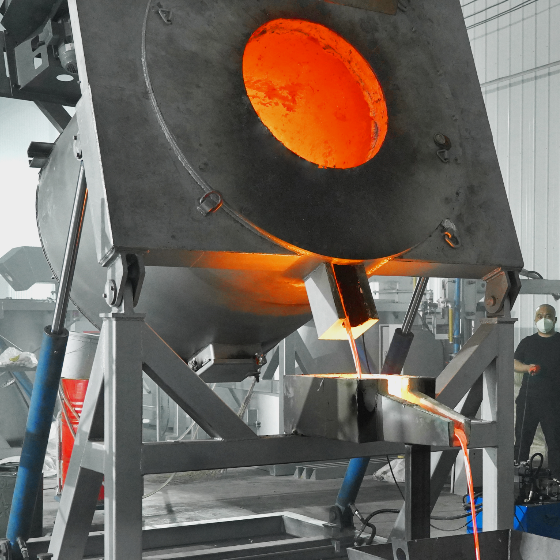
1. What Is an Aluminum Aging Furnace—and Why It Matters More Than You Think
An aluminum aging furnace is used to control precipitation hardening after solution heat treatment. Through precise temperature holding and time control, it allows alloy elements to form stable precipitates, achieving the required strength and hardness.
But in real factories, aging is not just metallurgy—it is production stability.
Why aging performance directly impacts your business:
Inconsistent aging → unstable mechanical properties
Temperature deviation → rejected batches and customer claims
Poor airflow design → uneven hardness across profiles
High energy loss → rising operating costs year after year
For high-value aluminum products—automotive parts, aerospace components, industrial profiles—aging is not optional. It is where quality is locked in.
2. The Real Problems Factories Face with Aging Furnaces
From years of working with aluminum plants across Asia, the Middle East, and Europe, we see the same pain points repeatedly.
2.1 Production Delays and Bottlenecks
Aging furnaces with slow heating, unstable temperature control, or poor loading design extend cycle times unnecessarily. One delayed batch can disrupt the entire extrusion or machining schedule.
2.2 Excessive Energy Consumption
Many legacy furnaces lose heat through poor insulation, outdated burners, or inefficient circulation fans. The furnace may “work,” but energy bills quietly erode margins every month.
2.3 Inconsistent Product Quality
Temperature differences of even ±5°C across the chamber can cause uneven aging, leading to variable hardness and increased scrap—especially for long aluminum profiles.
2.4 Maintenance Complexity
Overcomplicated control systems, low-quality components, and lack of spare parts turn routine maintenance into downtime risks.
For decision-makers, these are not technical issues—they are financial and operational risks.
3. How a Modern Aluminum Aging Furnace Reduces Total Cost of Ownership
A properly engineered aluminum aging furnace does more than heat metal. It optimizes the entire production workflow.
3.1 Faster Cycle Time, Higher Throughput
Optimized airflow design and intelligent temperature ramping reduce aging time without sacrificing metallurgical performance. This means:
More batches per shift
Shorter lead times
Higher utilization of upstream extrusion lines
3.2 Lower Energy Cost per Ton
Modern furnaces use:
High-efficiency insulation modules
Optimized burner or electric heating layouts
Variable-frequency circulation fans
The result is lower kWh or gas consumption per ton of aluminum, a key metric factory owners increasingly track.
3.3 Stable, Repeatable Quality
Advanced PLC control systems maintain uniform temperature across the furnace chamber, ensuring:
Consistent hardness
Predictable mechanical properties
Fewer customer complaints
Quality stability directly translates into brand credibility and repeat orders.
4. Engineering Design Matters More Than Furnace Size
Many buyers focus on chamber dimensions. Experienced operators know better.
4.1 Airflow and Temperature Uniformity
Aging performance depends heavily on how air circulates around aluminum profiles. Poor airflow creates hot and cold zones, no matter how accurate the temperature sensor is.
A professionally designed aluminum aging furnace uses:
Multi-zone airflow modeling
Balanced circulation fan placement
Controlled air velocity to avoid surface oxidation
4.2 Structural Integrity and Insulation
Long-term reliability comes from:
High-strength furnace frames resistant to thermal deformation
Multi-layer insulation reducing heat loss
Durable door sealing systems preventing temperature leakage
This is where manufacturing experience truly shows.
5. Automation, Safety, and Compliance in Modern Aging Furnaces
5.1 Intelligent Control Systems
Modern aluminum aging furnaces integrate:
PLC + HMI interfaces
Recipe-based aging programs
Data logging for traceability and audits
For technical managers, this means better control. For factory owners, it means less dependence on operator skill.
5.2 Safety as a Production Guarantee
Safety systems are not optional add-ons. Proper aging furnaces include:
Over-temperature protection
Emergency shutdown systems
Alarm and fault diagnostics
Safe equipment reduces accidents, insurance risks, and unplanned shutdowns.
5.3 Compliance for Global Markets
If you export aluminum products, your heat treatment process must meet international standards. A reliable furnace supplier understands compliance requirements across different regions and industries.
6. Why Choosing the Right Furnace Manufacturer Is a Strategic Decision
Buying an aluminum aging furnace is not a simple transaction—it is a long-term partnership.
6.1 Factory + Experience = Reliability
A manufacturer with its own production facility understands:
Material behavior under long-term thermal stress
Real-world installation challenges
Process optimization beyond theoretical design
Experience cannot be replaced by brochures.
6.2 Export Capability and Overseas Support
For international customers, after-sales support matters as much as the furnace itself:
Clear documentation in English
Remote commissioning support
Fast spare parts supply
Overseas service experience
Downtime is expensive—support speed directly affects ROI.
6.3 A Complete After-Sales System
The best partners provide:
Operator training
Preventive maintenance guidance
Process optimization suggestions over time
This is how equipment delivers value over 10–15 years, not just during acceptance testing.
7. ROI: The Metric That Matters Most
Factory owners don’t ask, “How much does the furnace cost?”
They ask, “How fast does it pay for itself?”
A high-quality aluminum aging furnace improves ROI by:
Reducing scrap and rework
Lowering energy consumption
Increasing production stability
Protecting customer relationships
Over its lifetime, the right furnace often saves multiple times its purchase price.
8. Final Thoughts: Think Beyond Equipment—Think Partnership
In aluminum processing, aging is where performance is finalized. A weak aging process compromises everything upstream.
Choosing the right aluminum aging furnace means choosing:
Stability over shortcuts
Long-term cost control over short-term savings
A partner who understands factories, not just machines
In a competitive global aluminum market, this mindset separates surviving plants from industry leaders.
Previous:
Previous
We use optional cookies to improve your experience on our site, including through social media connections, and to serve personalized ads based on your online activity. If you refuse optional cookies, we will only use cookies that are necessary to provide you with the service. Privacy Statement
Leave your inquiry now, and get a systematic solution later.
We will contact you within one working day. Please pay attention to your email.

For any product inquiries, technical support, or service requests, contact us below:
WeChat/Whatsapp : 86-17538889778
Tel : 86-379-65188091
Address: No. H3, North Jingjin Road, Dongda Science and Technology Park, Luoxin Industrial Cluster, Luoyang, Henan, China