

-
-
PROCESSESOur products range from induction melting furnaces ranging from 50kg to 15,000KG capacity, and our induction power suppliers range from 80KW to 12,000KW to meet all melting needs.
-
ADVANTAGEHTGP provides a systematic solution for scrap aluminum melting and casting.
-
EVENTS & NEWS
Why does aluminum smelting require a lot of electricity?
Release time:
Jun 26,2024
source:
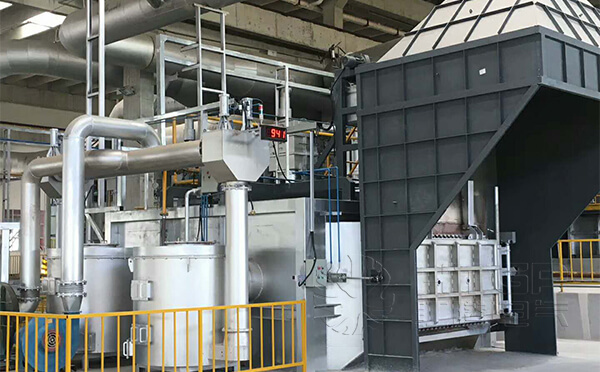
Aluminum is a widely used metal that is vital to a variety of industries. Its smelting process is complex, requiring high temperatures and chemical reactions to convert raw materials into pure aluminum. The salient feature of this process is high energy consumption. Smelting aluminum requires a large amount of electricity, so it is an energy-intensive operation and occupies an important position in global electricity consumption.
Overview of the Aluminium Smelting Process
The Hall-Héroult Process
Aluminium, once a rare and expensive metal, saw a significant transformation with the discovery of the Hall-Héroult process. This breakthrough innovation led to a drastic drop in the price of aluminium, making it more accessible for various industries.
Historical Background
In 1886, independent discoveries by Héroult in France and Hall in the United States revolutionized the production of aluminium. Prior to this, extracting aluminium was a challenging and costly process, limiting its widespread use.
Basic Steps Involved
The Hall-Héroult process involves several key steps that are essential for smelting aluminium efficiently. These steps include sourcing raw materials, preparing the electrolytic bath, and conducting the electrolysis process to extract pure aluminium.
Role of Electrolysis in Smelting
Electrolysis plays a crucial role in the smelting of aluminium, enabling the separation of aluminium from its ores through electrochemical reactions.
Electrolytic Cells
Within electrolytic cells, the magic of transforming raw materials into pure aluminium occurs. These cells facilitate the flow of electricity necessary for extracting aluminium from its compounds.
Chemical Reactions
During electrolysis, intricate chemical reactions take place within these cells. These reactions are fundamental in breaking down compounds and isolating pure aluminium for further processing.
Energy Consumption in Aluminium Smelting
Amount of Electricity Required
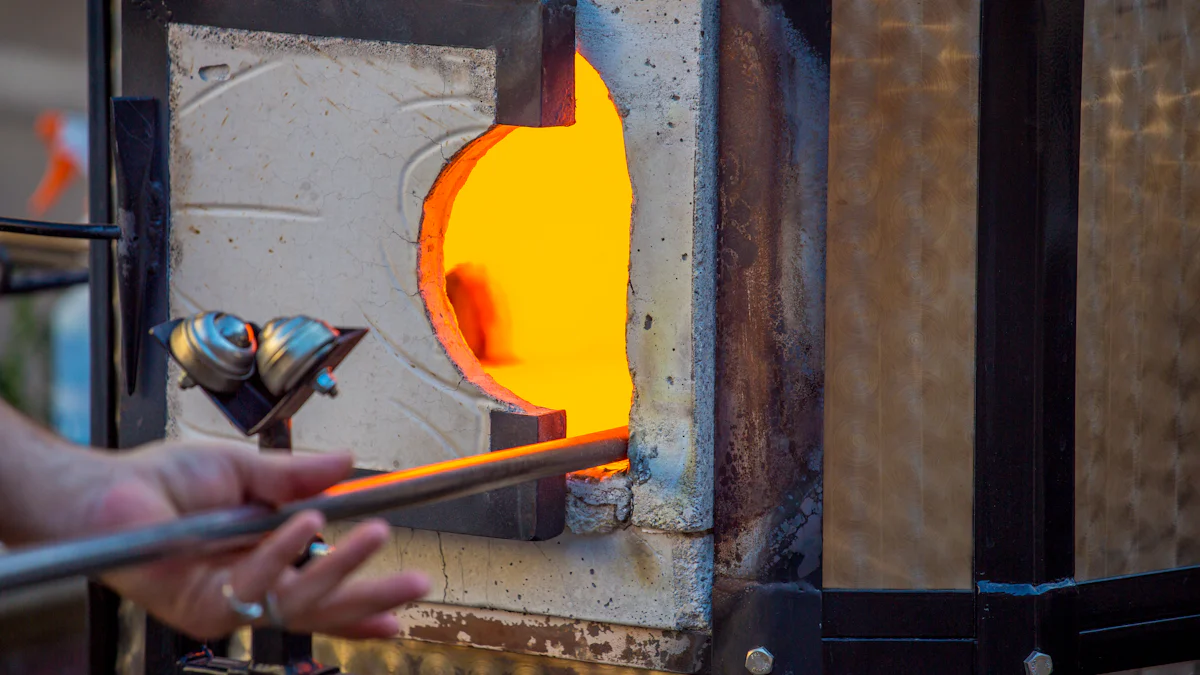
Aluminium smelting demands a substantial amount of electricity compared to other industrial processes. The process emits about 3% of the world's direct industrial CO2 emissions, with a significant reliance on coal-fired energy sources. Decarbonizing the power supply for primary aluminum production is crucial for reducing its carbon impact.
Comparison with Other Industrial Processes
When comparing aluminium smelting to other industries, it stands out as one of the most energy-intensive sectors globally. Primary aluminium production requires more energy than secondary production methods. To mitigate its environmental footprint, decarbonizing the electrical power used in the smelting process is essential.
Statistical Data on Energy Usage
Globally, nearly 70% of emissions from aluminium production arise due to electricity consumption during smelting. The industry's energy intensity surpasses that of steel and cement manufacturing. Addressing the supply of electricity for smelting is vital to reduce emissions and enhance sustainability.
Reasons for High Energy Consumption
The high energy consumption in aluminium smelting can be attributed to several factors unique to this process.
Electrolytic Process Demands
The electrolytic nature of aluminium extraction contributes significantly to its high energy requirements. This intensive electrolysis process demands a continuous flow of electricity to separate pure aluminium from its ores efficiently.
Continuous Operation Requirements
To maintain optimal productivity levels, aluminium smelters operate continuously, necessitating a steady and substantial power supply. This uninterrupted operation ensures a consistent output but also leads to higher energy consumption rates.
Proximity to Power Sources
Importance of Location
Aluminium smelting plants strategically position themselves near power sources to optimize energy efficiency. This proximity ensures a steady supply of electricity, crucial for the energy-intensive smelting process. Access to cheap electricity is a primary driver for selecting suitable locations, enabling cost-effective production of aluminium.
Access to Cheap Electricity
The availability of affordable electricity plays a pivotal role in the sustainability and profitability of aluminium smelters. Plants situated near power sources benefit from reduced operational costs, enhancing their competitive edge in the market. This access to cost-effective electricity contributes significantly to the overall economic viability of the smelting operation.
Examples of Smelting Plant Locations
Various regions worldwide host aluminium smelting facilities due to their proximity to abundant power sources. For instance, hydropower-based smelters are prevalent in areas with access to water resources suitable for generating clean energy. In contrast, coal-fired plants are typically located near coal mines, despite concerns about environmental impact.
Impact on Local Power Grids
The establishment of aluminium smelting plants near power sources has implications for local power grids and infrastructure development. These facilities impose specific infrastructure requirements, necessitating upgrades and expansions to support their substantial electricity demands. The integration of large-scale smelters into existing grids poses challenges but also drives advancements in grid technology.
Infrastructure Requirements
To accommodate the energy needs of aluminium smelters, local power grids must undergo enhancements such as increased capacity and reliability. Upgrading transmission lines and substations becomes essential to meet the heightened demand from these industrial operations. These infrastructure developments not only benefit the smelters but also contribute to overall grid resilience and efficiency.
Economic Considerations
The presence of aluminium smelting plants influences local economies through job creation and revenue generation. Additionally, the economic viability of these facilities relies on stable electricity supply at competitive rates. Balancing economic considerations with environmental impacts remains a key challenge for regions hosting such industrial complexes.
Environmental Impact of Electricity Consumption
Carbon Footprint
Emissions from Power Generation
The carbon footprint of smelting aluminium is substantial, primarily driven by the emissions generated during power generation. The process relies heavily on electricity, often sourced from coal-fired power plants, leading to significant CO2 emissions. These emissions contribute to the environmental impact of aluminium production and underscore the importance of transitioning to cleaner energy sources.
Mitigation Strategies
To address the environmental challenges posed by electricity consumption in smelting aluminium, various mitigation strategies have been proposed. One key approach involves increasing the use of clean power sources to reduce carbon emissions associated with the smelting process. By transitioning towards renewable energy sources such as solar or wind power, aluminium producers can significantly lower their carbon footprint and promote sustainability in the industry.
Renewable Energy Solutions
Adoption of Green Technologies
The adoption of green technologies plays a crucial role in reducing the environmental impact of aluminium smelting. Embracing renewable energy solutions not only lowers carbon emissions but also enhances operational efficiency and cost-effectiveness. By integrating solar panels or wind turbines into their facilities, aluminium smelters can harness clean energy sources and minimize their reliance on fossil fuels.
Case Studies of Sustainable Practices
Numerous case studies highlight the effectiveness of sustainable practices in mitigating the environmental impact of smelting aluminium. For instance, some smelting plants have successfully implemented innovative technologies like electric boilers and inert anodes to reduce carbon emissions significantly. These sustainable practices not only benefit the environment but also demonstrate the feasibility and scalability of low-emission smelting processes.
In smelting aluminium, the process demands a significant amount of electrical energy, making it an energy-intensive operation. The smelting of alumina to aluminum stands out as the most energy and carbon-intensive step in aluminum production. Nearly 70% of emissions in the industry arise from electricity consumption during smelting, emphasizing the need for sustainable practices. Primary aluminum production is highly energy-intensive, with electricity consumption playing a crucial role in emissions. It is imperative to focus on reducing energy usage and transitioning to cleaner energy sources for a more sustainable future.
We use optional cookies to improve your experience on our site, including through social media connections, and to serve personalized ads based on your online activity. If you refuse optional cookies, we will only use cookies that are necessary to provide you with the service. Privacy Statement
Leave your inquiry now, and get a systematic solution later.
We will contact you within one working day. Please pay attention to your email.

For any product inquiries, technical support, or service requests, contact us below:
WeChat/Whatsapp : 86-17538889778
Tel : 86-379-65188091
Address: No. H3, North Jingjin Road, Dongda Science and Technology Park, Luoxin Industrial Cluster, Luoyang, Henan, China