

-
-
PROCESSESOur products range from induction melting furnaces ranging from 50kg to 15,000KG capacity, and our induction power suppliers range from 80KW to 12,000KW to meet all melting needs.
-
ADVANTAGEHTGP provides a systematic solution for scrap aluminum melting and casting.
-
EVENTS & NEWS
Casting kit-melt the black metal
Release time:
Dec 23,2024
source:
Casting kit-melt the black metal
Casting black metal requires not only the right equipment but also a deep understanding of the materials and techniques involved. The process begins with selecting high-quality raw materials, such as scrap metal or ingots, which are essential for achieving the desired properties in the final product. Once the materials are gathered, the casting kit, typically consisting of a furnace, molds, and tools, must be properly set up.
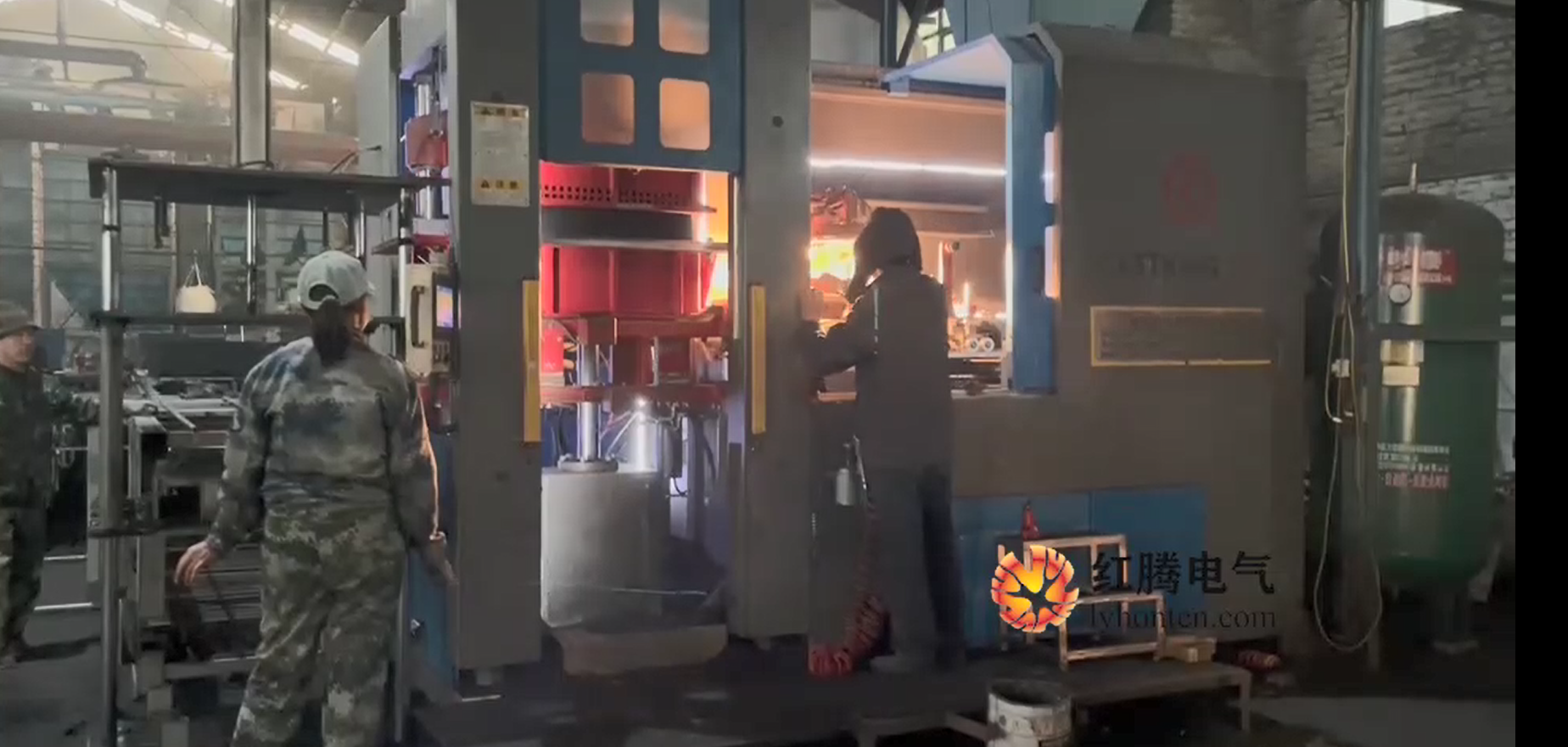
Melting the black metal is a critical step
as it requires precise temperature control to ensure that the metal reaches its melting point without overheating, which can lead to oxidation and contamination. As the metal melts, it is important to monitor the process closely, stirring occasionally to maintain an even consistency. Once the metal is fully melted, it can be poured into pre-prepared molds. The choice of mold material can greatly influence the final finish and detail of the cast piece, whether it be sand, metal, or ceramic induction heating stainless steel.
Once the casting kit is fully set up and the black metal has been melted to the appropriate temperature, it’s crucial to prepare for the pouring process. Safety should always be a top priority, as molten metal can reach extreme temperatures and poses significant risks. Wearing protective gear, including heat-resistant gloves, goggles, and a face shield, is essential to prevent burns and injuries. Before pouring, it is advisable to conduct a final inspection of the molds to ensure they are clean and free from any debris that could mar the final product.
Pouring the molten metal requires a steady hand and a keen eye. It is important to pour the metal slowly and steadily into the mold to minimize turbulence, which can lead to air pockets and imperfections. Depending on the complexity of the mold, multiple pours may be necessary to fill all cavities evenly. Once the metal has been poured, it should be allowed to cool and solidify in the mold for a specified duration, depending on the thickness and size of the casting.
After cooling, the next step involves carefully removing the cast piece from the mold. This process can be delicate, especially with intricate designs, so it is essential to handle the piece with care to avoid damaging any fine details. The final stage of the casting process often includes finishing touches, such as sanding, polishing, or even applying a protective coating to enhance the appearance and durability of the black metal piece. By following these steps meticulously, one can achieve high-quality castings that not only meet but exceed expectations in both aesthetics and functionality.
the metal needs time to cool and solidify
a phase that can vary in duration depending on the thickness of the cast. Patience is key here, as rushing this stage can result in defects or weak spots in the final product. Once cooled, the cast piece can be removed from the mold and subjected to further finishing processes, such as grinding, polishing, or coating, to enhance its appearance and durability. Mastering the art of casting black metal not only yields functional objects but also allows for artistic expression, giving creators the opportunity to transform raw materials into beautiful, lasting works of art.
In the realm of metalworking, the art of casting has captivated artisans for centuries, and the allure of black metal—characterized by its rich, dark hues and formidable strength—presents a unique challenge and opportunity. The casting kit designed for melting black metal allows both seasoned craftsmen and enthusiastic beginners to explore the depths of their creativity. With the right tools, including a furnace, crucible, and molds, artisans can transform raw materials into intricate designs, from ornate sculptures to functional tools.
The process begins with the careful selection of the black metal alloy, often a combination of iron and carbon, which not only enhances the material's durability but also imparts a distinctive aesthetic quality. As the metal is heated to its melting point, the transformation is mesmerizing; the once solid form liquefies into a shimmering pool, ready to be poured into molds that define its future shape. Once cooled, the cast pieces can be further refined through techniques such as grinding, polishing, or patination, allowing each artist to imbue their work with personal flair. This journey from raw metal to finished piece not only showcases the beauty of craftsmanship but also connects the artisan to a long lineage of metalworkers who have embraced the transformative power of casting throughout history. The possibilities are endless, and with each pour, new stories are forged in black metal, waiting to be told.
We use optional cookies to improve your experience on our site, including through social media connections, and to serve personalized ads based on your online activity. If you refuse optional cookies, we will only use cookies that are necessary to provide you with the service. Privacy Statement
Leave your inquiry now, and get a systematic solution later.
We will contact you within one working day. Please pay attention to your email.

For any product inquiries, technical support, or service requests, contact us below:
WeChat/Whatsapp : 86-17538889778
Tel : 86-379-65188091
Address: No. H3, North Jingjin Road, Dongda Science and Technology Park, Luoxin Industrial Cluster, Luoyang, Henan, China