

-
-
PROCESSESOur products range from induction melting furnaces ranging from 50kg to 15,000KG capacity, and our induction power suppliers range from 80KW to 12,000KW to meet all melting needs.
-
ADVANTAGEHTGP provides a systematic solution for scrap aluminum melting and casting.
-
EVENTS & NEWS
Why Reduce Aluminum Burning Loss in Casting?
Release time:
Jun 19,2024
source:
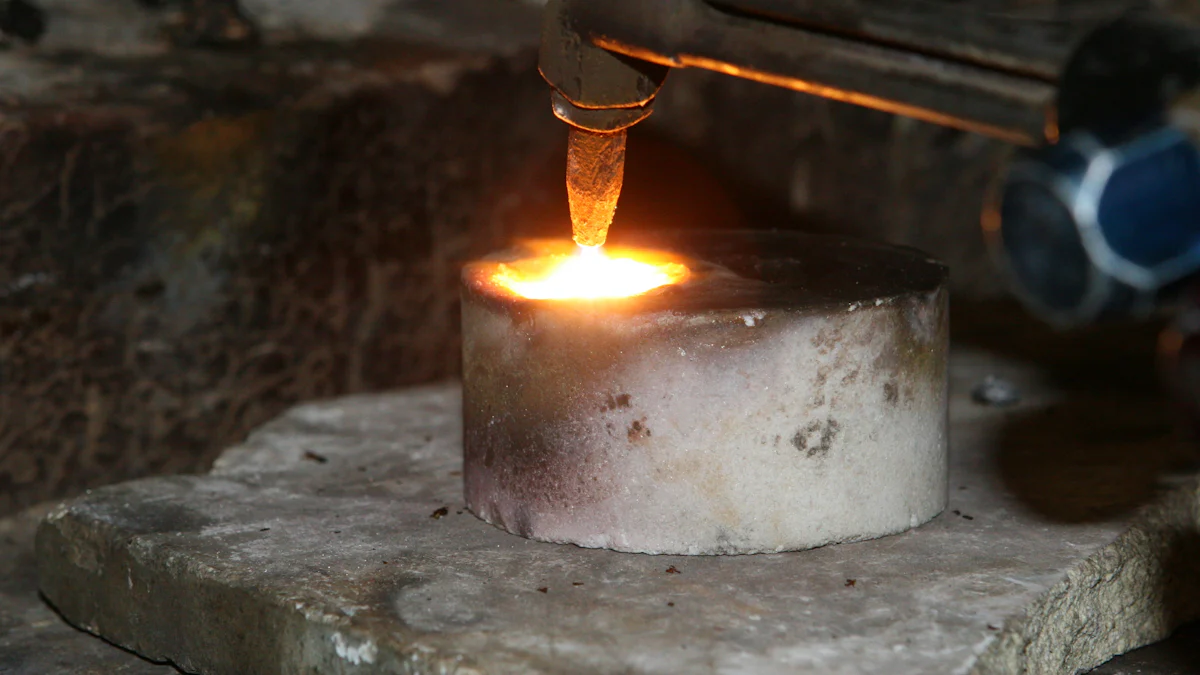
Aluminum burning loss in casting results in a significant annual net loss of aluminum dross, exceeding 330,000,000 pounds. This metal loss equates to an energy loss of nearly 2,000 MWh annually. Addressing this issue is paramount for foundries as even a minor reduction in metal loss can lead to substantial additional revenue. This blog delves into the critical importance of reducing aluminum burning loss and explores effective methods to mitigate this challenge.
Importance of Reducing Aluminum Burning Loss
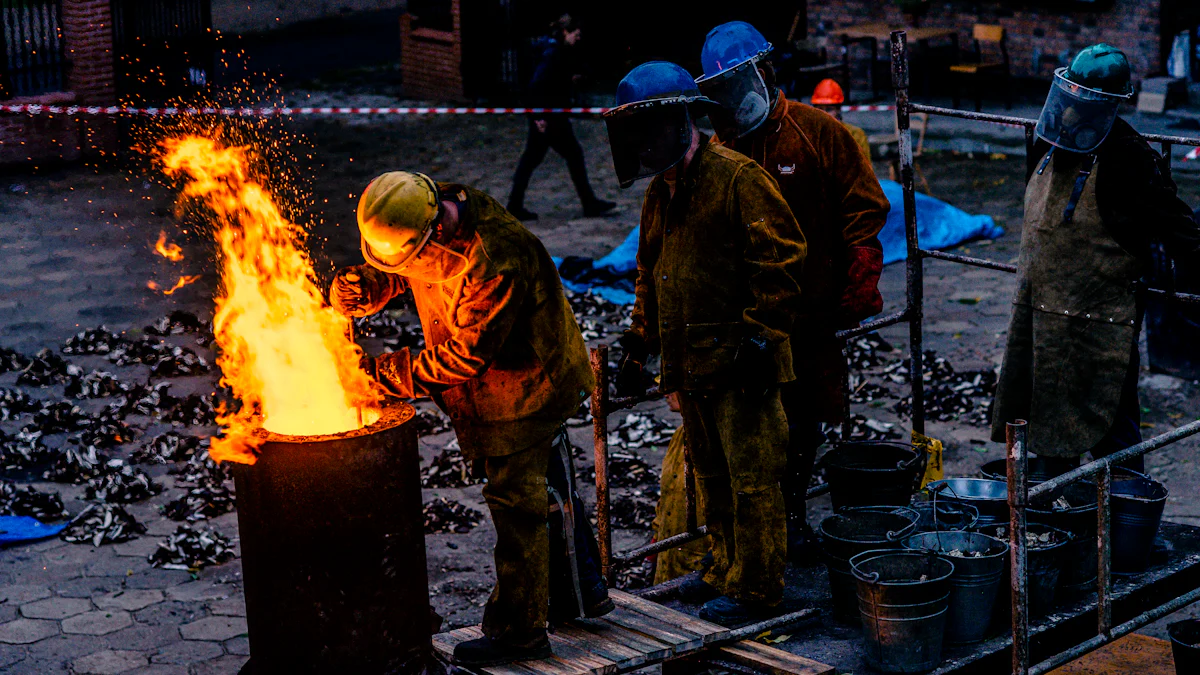
To address the issue of aluminum burning loss effectively, it is crucial to understand the significant economic and quality benefits associated with reducing this loss. By implementing strategies to minimize aluminum burning loss, foundries can experience substantial improvements in both their financial outcomes and product quality.
Economic Benefits
Implementing measures to reduce aluminum burning loss leads to significant cost savings for foundries. By minimizing the amount of aluminum lost during the casting process, companies can optimize their resources and enhance overall profitability.
Increased efficiency is another key economic benefit of reducing aluminum burning loss. By improving the utilization of aluminum and minimizing wastage, foundries can streamline their operations and achieve higher levels of productivity.
Quality Benefits
One of the primary quality benefits of reducing aluminum burning loss is the enhancement of product quality. By minimizing metal loss during casting, foundries can produce components with improved structural integrity and dimensional accuracy.
Additionally, reducing aluminum burning loss contributes to enhanced durability in cast products. By preserving more aluminum throughout the casting process, manufacturers can create components that exhibit greater strength and longevity.
Methods to Reduce Aluminum Burning Loss
Controlling the Temperature of Liquid Aluminum
To reduce aluminum burning loss, maintaining the optimal temperature range of liquid aluminum is crucial. This ensures efficient casting processes and minimizes metal wastage. Monitoring techniques such as thermal imaging and thermocouples can help in accurately assessing and controlling the temperature, leading to improved outcomes.
Reducing Contact Strength Between Molten Aluminum and Air
Minimizing the contact strength between molten aluminum and air is a key strategy in decreasing aluminum burning loss. Implementing protective atmospheres, such as inert gases like nitrogen or argon, creates a barrier that prevents oxidation. Additionally, using cover fluxes forms a protective layer over the molten aluminum, further reducing exposure to air and minimizing metal loss.
Controlling the Height of the Bubble Blowing Process
In the quest to reduce aluminum burning loss, controlling the height of the bubble blowing process plays a significant role. Adjusting process parameters like gas flow rate and nozzle positioning can optimize bubble size and distribution within the melt. Equipment adjustments, such as modifying blow tube design or nozzle diameter, can enhance control over the blowing process for better efficiency.
Selecting and Using the Correct Refining Agent
Types of Refining Agents
Aluminum Titanium Boron (AlTiB): This refining agent is commonly used in aluminum casting processes to improve the grain structure and mechanical properties of the final product. It effectively refines the aluminum melt, leading to enhanced casting quality.
Strontium (Sr): Adding strontium as a refining agent helps modify the silicon morphology in aluminum alloys, resulting in improved mechanical properties and reduced porosity in castings. This refining agent plays a crucial role in enhancing the overall performance of aluminum components.
Application Techniques
Utilize a precise dosing system to ensure accurate addition of refining agents to the molten aluminum.
Implement proper mixing techniques to facilitate uniform distribution of the refining agent within the melt.
Monitor the temperature closely during the addition process to optimize the effectiveness of the refining agent.
Conduct regular quality checks on the refined aluminum to assess and maintain casting integrity.
Effectively Dealing with Aluminum Slag
Slag Removal Methods
Skimming: Skimming off the slag from the surface of the molten aluminum is a common method used in foundries to minimize impurities and enhance metal purity.
Centrifugal Separation: Employing centrifugal force to separate slag from liquid aluminum enables efficient removal of impurities, contributing to improved casting quality.
Slag Management Practices
Implement a comprehensive slag identification system to differentiate between different types of slag for appropriate disposal or recycling.
Regularly clean and maintain slag removal equipment to ensure optimal performance and prevent contamination during casting operations.
Develop standardized procedures for handling and disposing of slag waste responsibly, adhering to environmental regulations and sustainability practices.
Expert Testimony:
- Adam Zhu, Aluminum Billet
The dross on the surface of the molten aluminum has a certain degree of wettability to the molten aluminum, mixing the two together. So a fluxing agent is required to lower the wettability between the two thus separating the aluminum metal away from the dross. Different fluxing agents have different contents and effects, so it's important to adjust the proportion of each content based on the alloy element and regulate the agent contact period, area, and temperature to minimize the inclusion of aluminum metal in the dross.
Reducing aluminum burning loss not only enhances economic profits but also elevates product quality standards. Implementing effective strategies like controlling temperatures, reducing contact strength with air, adjusting bubble blowing processes, selecting refined agents wisely, and managing slag efficiently are pivotal steps towards minimizing losses. Foundries must embrace these practices diligently to optimize their casting processes and ensure sustainable growth in their operations.
We use optional cookies to improve your experience on our site, including through social media connections, and to serve personalized ads based on your online activity. If you refuse optional cookies, we will only use cookies that are necessary to provide you with the service. Privacy Statement
Leave your inquiry now, and get a systematic solution later.
We will contact you within one working day. Please pay attention to your email.

For any product inquiries, technical support, or service requests, contact us below:
WeChat/Whatsapp : 86-17538889778
Tel : 86-379-65188091
Address: No. H3, North Jingjin Road, Dongda Science and Technology Park, Luoxin Industrial Cluster, Luoyang, Henan, China