

-
-
PROCESSESOur products range from induction melting furnaces ranging from 50kg to 15,000KG capacity, and our induction power suppliers range from 80KW to 12,000KW to meet all melting needs.
-
ADVANTAGEHTGP provides a systematic solution for scrap aluminum melting and casting.
-
EVENTS & NEWS
What is the efficiency of the Aluminium melting furnace?
Release time:
Jun 21,2024
source:
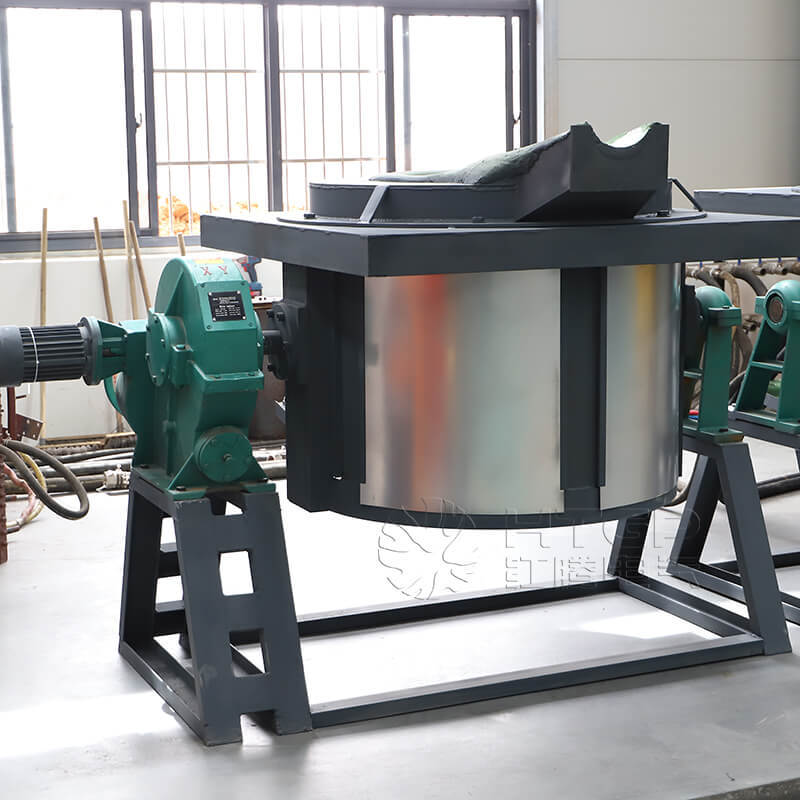
Efficiency plays a pivotal role in the realm of aluminum melting, where precision and productivity intertwine seamlessly. What is the efficiency of the Aluminium melting furnace? The challenges faced within aluminum melting furnaces are as diverse as they are demanding, requiring innovative solutions to propel operations forward. This blog serves as a beacon of knowledge, offering practical insights and actionable strategies to navigate the intricacies of aluminum melting with finesse.
Understanding Aluminum Melting Furnaces
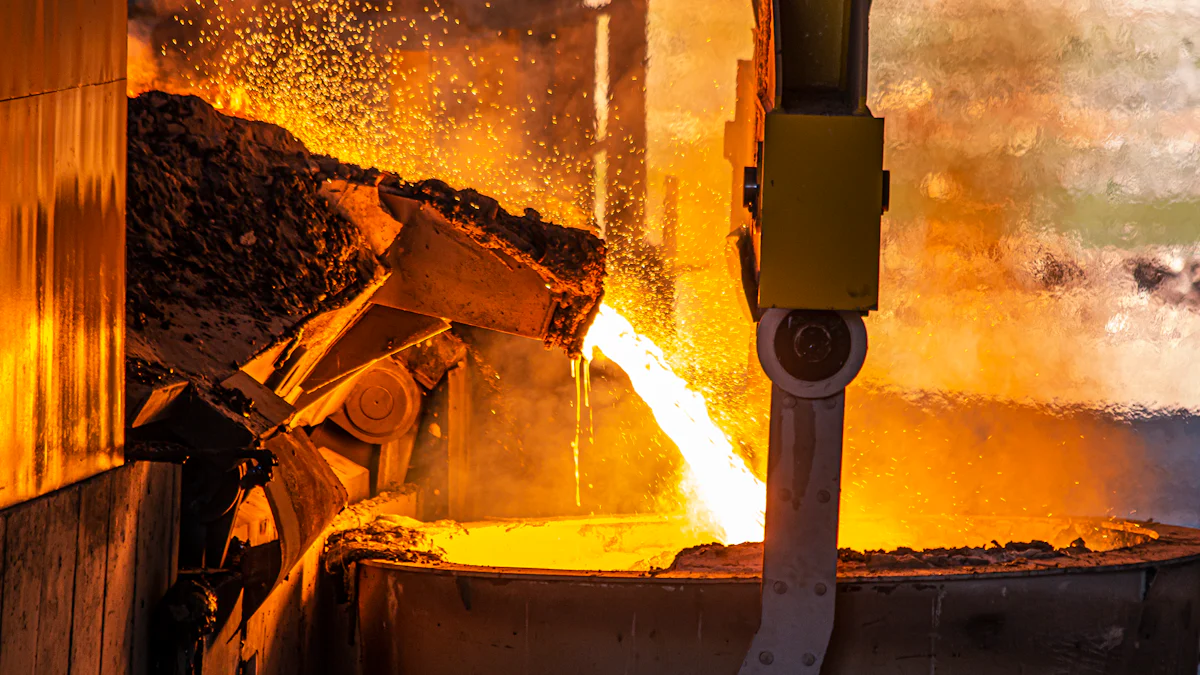
Types of Aluminum Melting Furnaces
Aluminum smelting furnaces encompass a variety of types, each tailored to specific operational requirements and efficiency standards. Crucible Furnaces stand out as compact units ideal for melting smaller metal quantities with precision and control. Reverberatory Furnaces, on the other hand, offer versatility in heating aluminum to melting temperatures through open flame mechanisms. Induction Furnaces excel in rapid and efficient heating processes, utilizing electromagnetic induction for precise temperature control.
Key Components and Their Functions
In the realm of aluminum melting furnaces, key components play a crucial role in ensuring optimal performance and energy efficiency. Heating Elements act as the heart of the furnace, providing the necessary heat to melt aluminum effectively. Insulation Materials serve as protective barriers, minimizing heat loss and enhancing overall thermal efficiency. Control Systems govern the intricate operations within the furnace, regulating temperature levels and optimizing energy consumption.
Strategies to Boost Efficiency
Optimizing Charge Composition
Aluminum melting efficiency hinges on the meticulous optimization of charge composition. Using Clean and Sorted Scrap is a fundamental strategy that ensures minimal impurities in the melting process, promoting higher quality output. By Reducing Dross Formation, the furnace can operate at peak performance levels, mitigating metal loss and enhancing overall efficiency.
Improving Melting Efficiency
Enhancing the melting process involves strategic measures aimed at maximizing efficiency. Breaking Down Scrap into Smaller Pieces facilitates quicker and more uniform melting, expediting production timelines effectively. Moreover, Increasing Surface Area Exposed to Heat optimizes heat transfer within the furnace, accelerating the melting process with precision.
Reducing Excess Air and Controlling Air-Fuel Ratio
Efficiency gains in aluminum melting are closely tied to air management strategies. Embracing Air-Fuel Ratio Control empowers operators to fine-tune combustion processes for optimal energy utilization. This meticulous control translates into substantial Potential Cost Savings, driving operational profitability while minimizing resource wastage.
Technological Upgrades
Regenerative Burners
Aluminum melting furnaces can benefit significantly from the integration of Regenerative Burners. These burners are designed to enhance energy efficiency by capturing and reusing waste heat, leading to reduced fuel consumption and lower operating costs. The utilization of regenerative burners not only improves the overall thermal performance of the furnace but also contributes to a more sustainable operational approach.
Improved Insulation Materials
Improved Insulation Materials play a pivotal role in minimizing heat loss and optimizing thermal efficiency within aluminum melting furnaces. By incorporating advanced insulation materials with superior heat retention properties, operators can create a more controlled and energy-efficient melting environment. This upgrade results in enhanced productivity, reduced energy wastage, and improved cost-effectiveness in the long run.
Direct Immersion Electric Resistance Heaters
The implementation of Direct Immersion Electric Resistance Heaters presents a cutting-edge solution for achieving high thermal efficiency in aluminum melting processes. These heaters offer precise temperature control and uniform heating distribution, ensuring optimal metal melting with minimal energy loss. By leveraging direct immersion electric resistance heaters, manufacturers can streamline their operations, enhance product quality, and achieve substantial energy savings.
Inserting Inert Gas
Introducing Inert Gas into aluminum smelting operations is a strategic move to prevent oxidization and improve overall furnace performance. The inert gas acts as a protective shield, preventing unwanted chemical reactions that could compromise the quality of the molten metal. By carefully controlling the atmosphere within the furnace through inert gas insertion, operators can uphold product integrity, reduce material waste, and elevate operational efficiencies.
Process Optimization
Increasing Preheating Temperature of Combustion Air
Optimizing the preheating temperature of combustion air is a fundamental step towards enhancing the efficiency of gas-fired aluminum melting furnaces. By increasing the preheating temperature, operators can boost combustion efficiency, reduce fuel consumption, and accelerate the melting process. This optimization strategy not only improves overall productivity but also contributes to significant energy savings over time.
Implementing Insulation
The strategic Implementation of Insulation serves as a cornerstone for improving energy efficiency in aluminum melting furnaces. Effective insulation minimizes heat losses, maintains consistent temperatures within the furnace, and reduces thermal stress on equipment components. Through proper insulation practices, manufacturers can optimize their operations, lower operating costs, and create a more sustainable production environment.
Tuning Temperature Control Loops
Fine-tuning temperature control loops is an essential aspect of maximizing operational efficiency in aluminum melting processes. By meticulously adjusting temperature control parameters based on real-time data feedback, operators can ensure precise temperature regulation throughout the melting cycle. This optimization technique enhances process stability, minimizes energy wastage due to overheating or underheating, and ultimately elevates overall furnace performance.
Avoiding Infiltration of Cold Air
Preventing the infiltration of cold air into aluminum melting furnaces is critical for maintaining optimal operating conditions and preserving energy efficiency. By sealing off potential air leaks or implementing airlock systems at strategic points in the furnace structure, operators can minimize heat loss and maintain consistent internal temperatures. This proactive measure safeguards against unnecessary energy expenditure and promotes efficient metal melting operations.
Benefits of Improved Efficiency
Aluminum melting furnaces that prioritize efficiency reap substantial benefits across various operational facets. The quest for enhanced productivity and cost-effectiveness drives the industry to embrace innovative strategies that yield tangible advantages.
Cost Savings
Reduced Energy Bills
Efficiency enhancements in aluminum melting processes directly correlate with Reduced Energy Bills. By optimizing operational parameters and implementing energy-efficient technologies, manufacturers can achieve significant reductions in energy consumption. This translates into substantial cost savings, bolstering financial viability and sustainability initiatives within the industry.
Lower Maintenance Costs
Efficiency-driven practices not only streamline operations but also contribute to Lower Maintenance Costs. By minimizing wear and tear on furnace components through precise temperature control and optimized heating processes, manufacturers can prolong equipment lifespan and reduce maintenance expenditures. This proactive approach ensures long-term operational efficiency while mitigating unforeseen repair expenses.
Environmental Impact
Reduced Carbon Footprint
The pursuit of efficiency in aluminum melting furnaces aligns with broader environmental objectives, leading to a Reduced Carbon Footprint. By curbing energy wastage and optimizing resource utilization, manufacturers actively reduce greenhouse gas emissions associated with production processes. This eco-conscious approach underscores the industry's commitment to sustainable practices and environmental stewardship.
Compliance with Regulations
Efficiency-driven initiatives not only benefit operational performance but also ensure Compliance with Regulations governing environmental standards. By adopting energy-efficient technologies and optimizing process efficiencies, manufacturers uphold regulatory requirements related to emissions control and resource conservation. This proactive adherence to environmental guidelines reinforces industry credibility and fosters a culture of responsible manufacturing practices.
Enhanced Productivity
Increased Output
Efficiency improvements in aluminum melting furnaces pave the way for Increased Output levels, driving production capacities to new heights. Through streamlined processes, optimized heat transfer mechanisms, and precise temperature controls, manufacturers can boost output volumes without compromising product quality or operational integrity. This surge in productivity enhances market competitiveness and profitability within the industry landscape.
Improved Product Quality
The ripple effects of efficiency enhancements extend beyond quantity to encompass Improved Product Quality as a hallmark of optimized operations. By ensuring uniform heating distribution, minimal metal loss, and reduced impurities in the melting process, manufacturers elevate product quality standards significantly. This commitment to excellence not only satisfies consumer expectations but also solidifies brand reputation as a provider of premium-grade aluminum products.
Previous:
We use optional cookies to improve your experience on our site, including through social media connections, and to serve personalized ads based on your online activity. If you refuse optional cookies, we will only use cookies that are necessary to provide you with the service. Privacy Statement
Leave your inquiry now, and get a systematic solution later.
We will contact you within one working day. Please pay attention to your email.

For any product inquiries, technical support, or service requests, contact us below:
WeChat/Whatsapp : 86-17538889778
Tel : 86-379-65188091
Address: No. H3, North Jingjin Road, Dongda Science and Technology Park, Luoxin Industrial Cluster, Luoyang, Henan, China