

-
-
PROCESSESOur products range from induction melting furnaces ranging from 50kg to 15,000KG capacity, and our induction power suppliers range from 80KW to 12,000KW to meet all melting needs.
-
ADVANTAGEHTGP provides a systematic solution for scrap aluminum melting and casting.
-
EVENTS & NEWS
Steel copper and aluminum scrap
Release time:
Oct 17,2025
source:
How Steel, Copper, and Aluminum Scrap Gets
Recycled: A Step-by-Step Breakdown
You’ve probably tossed an old soda can into the recycling bin without thinking twice. But have you ever wondered what happens after it leaves your curb? Or what about that broken microwave in your garage or the copper wiring from a home renovation? These aren’t just scraps—they’re valuable resources waiting to be reborn.
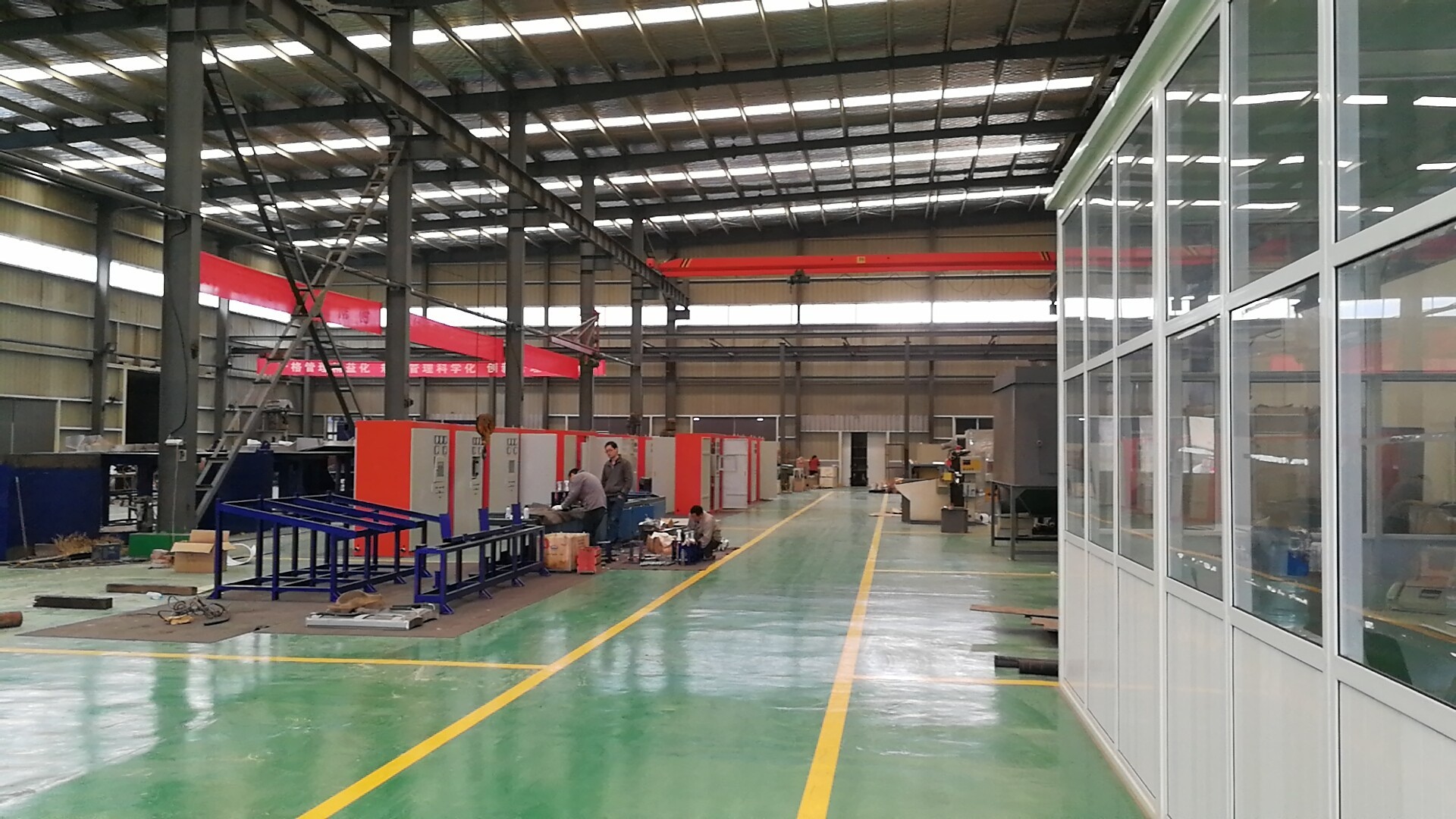
Recycling steel, copper, and aluminum isn’t just good for the planet—it’s a full-blown industrial process that turns yesterday’s waste into tomorrow’s products. Whether you're cleaning out your basement or managing scrap from a construction site, understanding how this works can help you recycle smarter and even earn some extra cash.
Let’s walk through exactly how steel, copper, and aluminum scrap gets recycled—step by step.
Understanding Ferrous and Non-Ferrous Metals in Recycling
Before we dive into the recycling process, it’s important to understand one key distinction: ferrous vs. non-ferrous metals. This classification shapes everything from how metals are sorted to how much they’re worth.
What Defines Ferrous Metals Like Steel
Ferrous metals contain iron, which gives them magnetic properties. Steel is the most common example—and the most recycled material on the planet. Because it’s magnetic, steel is easy to separate from other materials using powerful electromagnets.
Steel is widely used in construction, appliances, and vehicles due to its strength and durability. When recycled, it retains these qualities, making it ideal for reuse in everything from beams to car frames.
Key Characteristics of Non-Ferrous Metals: Copper and Aluminum
Non-ferrous metals like copper and aluminum don’t contain iron, so they’re not magnetic. This makes them stand out during sorting. They also resist rust and corrosion better than ferrous metals.
Copper is prized for its excellent electrical conductivity, making it essential in wiring and electronics. Aluminum, on the other hand, is lightweight and highly malleable, perfect for packaging, automotive parts, and building materials.
Both metals hold higher market value than steel, especially when clean and properly sorted.
Why Metal Classification Matters for Recycling Efficiency
Sorting metals correctly ensures each type receives the right treatment. Mixing ferrous and non-ferrous metals reduces efficiency and can lower the payout at recycling centers. As Glescraps.com explains, separating your metals before drop-off helps recycling facilities process them more efficiently and can get you a better price.
Step 1: Collection and Delivery of Scrap Metals
The journey of recycling begins with collection—gathering metal from homes, businesses, and industries.
Common Sources of Steel, Copper, and Aluminum Scrap
Everyday items contribute to the scrap stream: - Steel: Old appliances (refrigerators, washing machines), food cans, and structural steel from demolition. - Copper: Electrical wires, plumbing pipes, HVAC components, and motors. - Aluminum: Beverage cans, window frames, siding, gutters, and kitchenware.
Even small renovations can yield valuable scrap. As noted by Certified Surplus Metals, roofing materials and pipes are often overlooked but fully recyclable.
How Individuals and Industries Contribute to Metal Recycling
Homeowners can collect scrap during cleanouts or DIY projects. Businesses, especially in manufacturing and construction, generate large volumes of metal waste. Many companies partner with recyclers for regular pickups to manage waste responsibly.
For industrial clients, services like those offered by GEOMET Recycling provide roll-off bins delivered directly to job sites. Once filled, the containers are hauled away for processing—making large-scale recycling seamless and cost-effective.
Role of Scrap Yards in Aggregating Recyclable Materials
Scrap yards act as central hubs where all types of metal converge. They accept materials from individuals and businesses, sort them, and prepare them for shipment to recycling facilities. These centers play a crucial role in ensuring that metals enter the proper recycling streams.
Step 2: Sorting Ferrous from Non-Ferrous Metals
Once scrap arrives at a facility, the next step is sorting—a critical phase that determines quality and value.
Use of Electromagnets to Separate Steel from Other Metals
The easiest way to identify ferrous metals is with electromagnets. These powerful magnets lift steel and iron from mixed piles, leaving behind non-ferrous metals like copper and aluminum. This method is fast, efficient, and widely used across recycling operations.
As described by Bruce Metal & Salvage, this initial separation ensures each metal type receives appropriate processing.
Manual and Automated Techniques for Identifying Copper and Aluminum
After removing ferrous metals, workers manually sort copper and aluminum based on color, weight, and texture: - Copper has a distinctive reddish-brown hue and feels heavy for its size. - Aluminum is silvery-white, lightweight, and often less dense.
Advanced facilities may use sensors, X-ray fluorescence (XRF), or eddy current separators to automate identification and improve accuracy.
Importance of Purity in Metal Streams for Efficient Recycling
Contamination lowers the value of scrap. For example, aluminum mixed with plastic or rubber must be cleaned before recycling. Similarly, insulated copper wire may need stripping if the facility requires bare copper.
Proper sorting ensures high-purity output, which translates to better-quality recycled metal and higher returns.
Step 3: Processing and Preparation for Melting
With metals sorted, they’re ready for processing—shredding, compacting, and cleaning to prepare for melting.
Shredding, Shearing, and Compacting Steel Scrap
Large steel items like cars and appliances are shredded into fist-sized pieces. Smaller fragments increase surface area, making melting faster and more energy-efficient. Some steel is sheared or baled into dense bundles for easier transport.
This preprocessing reduces volume and prepares the material for furnace feeding.
Cleaning and Removing Contaminants from Copper and Aluminum
Aluminum and copper must be free of oils, dirt, insulation, and non-metallic attachments. While some facilities accept insulated wire for safety reasons, others prefer stripped copper for maximum purity.
Aluminum is often ground and cleaned to remove coatings or residues, especially from beverage cans or composite packaging.
Preparing Bundled and Shredded Scrap for Transport to Facilities
Processed scrap is loaded onto trucks and shipped to specialized smelters. Bales, shredded chunks, and clean wire coils are packed tightly to optimize space and reduce transportation costs.
At this stage, the material is ready for transformation.
Step 4: Melting and Purification at Recycling Facilities
Now comes the real magic: turning solid scrap into molten metal.
High-Temperature Furnaces Used for Steel, Copper, and Aluminum
Each metal requires different temperatures and furnace types: - Steel is melted in electric arc furnaces (EAFs) at around 1,600°C (2,900°F). - Copper is processed in reverberatory or induction furnaces above 1,085°C (1,985°F). - Aluminum melts at a lower temperature—about 660°C (1,220°F)—in rotary furnaces.
These furnaces are designed to handle large batches efficiently while minimizing emissions.
Energy Efficiency Gains in Recycling vs. Primary Metal Production
Recycling dramatically cuts energy use: - Recycling aluminum saves up to 95% of the energy needed to produce new aluminum from bauxite ore. - Steel recycling saves about 60–75% of energy. - Copper recycling uses only 10–15% of the energy required for primary production.
This means fewer greenhouse gas emissions and reduced reliance on mining.
Refining Processes That Ensure Quality of Molten Metal
After melting, impurities are removed through skimming, fluxing, or chemical treatments: - In aluminum recycling, salt slags are skimmed off to remove contaminants. - Copper undergoes refining to eliminate sulfur and other elements. - Steel is alloyed with precise amounts of carbon or other metals to meet specifications.
The result? High-quality molten metal ready for shaping.
Step 5: Solidification and Transformation into New Products
From liquid to solid, recycled metals take on new forms for manufacturing.
Casting Steel into Ingots, Billets, or Slabs
Molten steel is poured into molds to create ingots, billets, or slabs—intermediate shapes used in rolling mills to make sheets, beams, rails, and rods. These become structural supports, car bodies, and appliances.
Forming Copper Rods and Aluminum Sheets for Manufacturing
Recycled copper is cast into thick rods, then drawn into fine wires for electrical applications. Aluminum is rolled into thin sheets or extruded into profiles for cans, window frames, and auto parts.
Both metals maintain their original performance characteristics after recycling.
Final Output: How Recycled Metals Enter Supply Chains
Finished products are shipped to manufacturers who incorporate them into new goods. A recycled soda can can be back on store shelves as a new can in just 60 days. Steel from an old refrigerator might become part of a new car chassis.
This closed-loop system keeps valuable materials in circulation.
Benefits of Recycling Scrap Metals Such as Steel, Copper, and Aluminum
Recycling isn’t just about reusing materials—it’s about creating a sustainable future.
Environmental Advantages: Reduced Mining and Lower Emissions
Every ton of recycled metal means less mining, deforestation, and habitat destruction. It also slashes CO₂ emissions. According to Bruce Metal & Salvage, recycling metal reduces air pollution and conserves natural resources.
Economic Incentives for Businesses and Individuals
Scrap metal has real monetary value. Whether you're a homeowner clearing out junk or a contractor managing demolition debris, selling scrap can offset disposal costs—or even turn a profit.
Sustainability Impact: Conserving Resources for Future Generations
Metals are finite resources. Recycling extends their lifecycle indefinitely. As emphasized in the "Reduce, Reuse, Recycle" principle highlighted by Glescraps.com, recycling closes the loop and protects the planet for future generations.
Common Applications of Recycled Steel, Copper, and Aluminum
Recycled metals are everywhere—in buildings, vehicles, and everyday items.
| Metal | Common Recycled Applications |
|---|---|
| Steel | Construction beams, bridges, automobiles, appliances, shipping containers |
| Copper | Electrical wiring, circuit boards, plumbing pipes, transformers, motors |
| Aluminum | Beverage cans, foil packaging, aircraft parts, bicycle frames, window frames |
These uses show how recycling supports modern infrastructure and innovation.
Tips for Properly Preparing Your Scrap Metal for Recycling
Want to get the most out of your scrap? Follow these best practices.
How to Identify Valuable Copper and Aluminum Items at Home
Look for: - Reddish-brown wires (copper) - Lightweight silvery panels or cans (aluminum) - Plumbing fixtures, old radiators, or AC units
Even small amounts add up. As Glescraps.com suggests, kitchen pots and gutters could contain recyclable aluminum.
Best Practices for Sorting and Cleaning Before Drop-Off
- Separate ferrous (steel/iron) from non-ferrous (copper/aluminum).
- Remove dirt, plastic, wood, or rubber.
- Keep metals dry and uncontaminated.
Sorted, clean scrap fetches higher prices.
Safety Notes on Handling Insulated Wires and Mixed Materials
Never burn insulation off wires—it releases toxic fumes. If unsure whether to strip wire, check with your local facility. Some prefer insulated wire for safety; others pay more for bare copper.
Always wear gloves and eye protection when handling sharp or dirty materials.
Common Questions About Metal Recycling
Q1: What is 1 pound of aluminum cans worth?
A: As of recent market rates, aluminum cans typically sell between $0.65 and $1.07 per pound. Prices fluctuate daily based on location and demand. Check real-time data via platforms like Scrap Register for current values.
Q2: How do I tell copper apart from aluminum?
A: Copper has a distinct reddish-brown color and feels heavier. Aluminum is lighter, silvery, and often duller. You can also test magnetism—neither metal is magnetic, but steel will stick to a magnet while both copper and aluminum won’t.
Q3: Can I recycle mixed-metal items like appliances?
A: Yes, but they’ll be processed as mixed scrap unless disassembled. To maximize value, remove copper wiring or aluminum panels before dropping off. Most recyclers accept whole appliances but pay less for unsorted loads.
Q4: Why is aluminum one of the most recycled metals?
A: Aluminum is infinitely recyclable without losing quality and saves up to 95% of the energy compared to producing new aluminum. Its widespread use in packaging—especially beverage cans—makes it easy to collect and reprocess quickly.
Q5: What should I avoid bringing to a scrap yard?
A: Avoid hazardous materials like batteries, radioactive parts, or pressurized tanks. Also, don’t bring non-metallic waste or contaminated items. Stick to clean, identifiable metals to ensure safe and efficient processing.
Recycling steel, copper, and aluminum isn’t just a feel-good activity—it’s a smart, science-backed system that powers our economy and protects our environment. From your kitchen can to a skyscraper beam, every piece of scrap has a second life waiting.
Next time you see an old appliance or a pile of wires, don’t toss it. Sort it, clean it, and send it back into the cycle. You’re not just decluttering—you’re helping build a more sustainable world.
Previous:
Previous
We use optional cookies to improve your experience on our site, including through social media connections, and to serve personalized ads based on your online activity. If you refuse optional cookies, we will only use cookies that are necessary to provide you with the service. Privacy Statement
Leave your inquiry now, and get a systematic solution later.
We will contact you within one working day. Please pay attention to your email.

For any product inquiries, technical support, or service requests, contact us below:
WeChat/Whatsapp : 86-17538889778
Tel : 86-379-65188091
Address: No. H3, North Jingjin Road, Dongda Science and Technology Park, Luoxin Industrial Cluster, Luoyang, Henan, China