

-
-
PROCESSESOur products range from induction melting furnaces ranging from 50kg to 15,000KG capacity, and our induction power suppliers range from 80KW to 12,000KW to meet all melting needs.
-
ADVANTAGEHTGP provides a systematic solution for scrap aluminum melting and casting.
-
EVENTS & NEWS
What Is the Process of Melting Aluminum for Casting?
Release time:
Apr 21,2023
source:
In our daily life, there is various scrap aluminum that needs to be recycled. However, melting aluminum for casting is relatively professional. Here, Luoyang Hongteng will introduce the necessary equipment and basic steps to you about melting aluminum for casting.
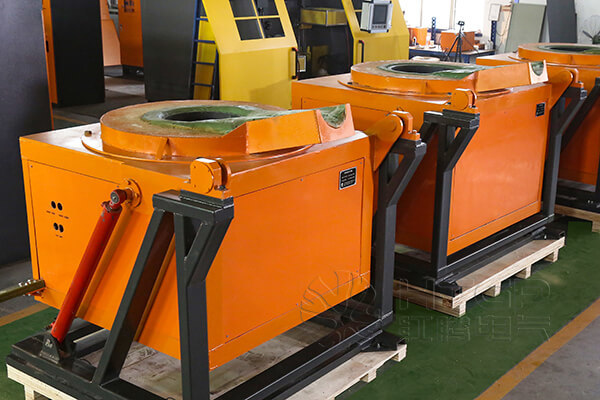
Basic Steps of Melting Aluminum for Casting
Melting aluminum for casting typically involves four basic steps:
1. Collect and prepare the aluminum: Scrap aluminum can be collected from various sources, such as old cars, cans, and other aluminum products. The aluminum should be cleaned of any debris or coatings that may interfere with the casting process.
2. Construct a furnace: A furnace should be constructed to melt the aluminum. The furnace is typically constructed of refractory materials, which are materials that can withstand high temperatures. A metal container or crucible is then placed inside the furnace to hold the aluminum.
3. Heat the furnace: The furnace should be heated to the melting point of aluminum, which is approximately 660°C (1220°F). This usually takes several hours or more, depending on the size of the furnace.
4. Pour the melted aluminum: Once the aluminum has melted, it is poured into a mold to cast the desired shape. The mold can be made of various materials, including sand, plaster, or ceramic. The mold should be designed to allow the molten aluminum to flow freely and evenly throughout the mold.
It is important to take proper safety precautions when melting aluminum for casting. This includes wearing protective gear such as heat-resistant gloves, a face shield, and fire-resistant clothing. Adequate ventilation should also be provided to prevent harmful fumes or gases from building up in the work area, and a fire extinguisher should be readily available in case of emergency.
Necessary Equipment of Melting Aluminum for Casting
The necessary equipment for melting aluminum for casting includes:
1. Furnace: A furnace is needed to melt the aluminum. It can be electric or fueled by natural gas, propane, or oil. The furnace should be designed to withstand high temperatures and should have a crucible to hold the aluminum;
2. Crucible: A crucible is a container that can withstand high temperatures and is used to hold molten aluminum. It should be made of a suitable material that can withstand the high heat and the corrosive effects of aluminum;
3. Tongs: Tongs are needed to safely handle the crucible and pour the molten aluminum into the mold. They should be made of heat-resistant materials such as steel, iron, or ceramic;
4. Safety gear: Melting aluminum for casting can be dangerous, so it is important to wear proper safety gear such as heavy-duty heat-resistant gloves, a full face shield, and fire-resistant clothing. This will help protect the body from the intense heat and splashes of molten aluminum;
5. Mold: A mold is necessary to cast the aluminum into the desired shape. The mold can be made of sand, plaster, or ceramic and should be designed to allow the molten aluminum to flow evenly throughout the mold;
6. Melting tools: Tools such as a skimmer or slag spoon are used to remove impurities from the molten aluminum. Additionally, a heat gun or torch can be used to preheat the mold prior to pouring the molten aluminum;
7. Ventilation System: Adequate ventilation is essential to ensure the safe melting of aluminum for casting. Proper ventilation helps to remove harmful fumes and gases that may build up in the work area.
Overall, melting aluminum for casting requires specialized equipment and safety gear to ensure that the process is carried out safely and effectively. It is important to follow proper protocols and procedures and take necessary precautions to avoid serious accidents or injury.
Furnace Types of Melting Aluminum for Casting
There are several types of furnaces that can be used for melting aluminum. The type of furnace chosen depends on the amount of aluminum to be melted, the frequency of melting, and the type of casting being done. Some of the most common types of furnaces used for melting aluminum for casting include:
1. Electric furnace: An electric furnace is powered by electricity and generates heat through resistance heating elements that are placed inside the furnace. Electric furnaces are efficient and can produce high-quality castings, but they require a significant amount of energy to operate;
2. Gas furnace: A gas furnace is fueled by natural gas, propane, or oil, and is generally more cost-effective than an electric furnace. Gas furnaces can produce high-quality castings and require less energy but can be more complicated to install and operate;
3. Coke-fired furnace: A coke-fired furnace uses coke (a form of coal) to generate heat. This type of furnace is more economical than other types of furnaces but may produce more impurities during the melting process;
4. Induction furnace: An induction furnace uses induction to heat the metal within the crucible. It is a fast and efficient method of heating and can produce high-quality castings, but it requires more advanced equipment and specialized skills to operate;
5. Tilting furnace: A tilting furnace allows for the easy removal of molten aluminum from the furnace by tilting the crucible. This type of furnace is convenient for small foundries because it allows for easy pouring and reduces the risk of spills or accidents.
Overall, the choice of the furnace depends on various factors such as efficiency, cost, performance, and convenience. It is important to choose an appropriate furnace based on the specific requirements of the casting process to ensure the best results.
Related News
We use optional cookies to improve your experience on our site, including through social media connections, and to serve personalized ads based on your online activity. If you refuse optional cookies, we will only use cookies that are necessary to provide you with the service. Privacy Statement
Leave your inquiry now, and get a systematic solution later.
We will contact you within one working day. Please pay attention to your email.

For any product inquiries, technical support, or service requests, contact us below:
WeChat/Whatsapp : 86-17538889778
Tel : 86-379-65188091
Address: No. H3, North Jingjin Road, Dongda Science and Technology Park, Luoxin Industrial Cluster, Luoyang, Henan, China